If you’ve started shopping for a new car in 2026, you’ll know the Australian new car market has never been more crowded. Dozens of makes and models now compete for your attention, from long-established global brands to a wave of newer Chinese manufacturers offering aggressive pricing and long feature lists.
It’s left a lot of buyers facing the same dilemma: do you go for the cheaper Chinese car because the upfront price looks appealing, or do you stick with an established, trusted brand like Ford? At Frankston Ford, we talk to buyers weighing up exactly this question every week. This guide is here to help you cut through the noise and buy your next car with confidence — whether that’s from us or anywhere else.
If you’re also still working through the basics of new car shopping, our complete guide to buying a new car on the Mornington Peninsula is a great place to start.
The Appeal (and Risk) of Cheaper Chinese Brands
It’s easy to see why budget-focused Chinese brands have grown so quickly in Australia. Lower upfront prices and generous standard equipment — things like larger touchscreens, more driver-assist tech and premium-feeling interiors — make them look like exceptional value on paper, especially for buyers focused purely on the sticker price.
But a lower purchase price is only part of the ownership equation. Before committing, it’s worth weighing up:
- Unproven long-term reliability — many of these brands simply haven’t been on Australian roads long enough to know how their vehicles perform after 5, 10 or 15 years.
- Resale value uncertainty — with limited sales history, it’s hard to predict what these vehicles will be worth down the track, which can hit you hard at trade-in time.
- Smaller dealer and service networks — fewer service centres can mean longer wait times, less convenient locations and harder-to-source parts.
- Brand longevity — the Australian market has seen more than one budget brand enter with fanfare, only to scale back or exit within a few years, leaving owners with warranty and parts headaches.
None of this means a cheaper car is automatically a bad choice. But it does mean the lowest price today isn’t always the best value over the life of the vehicle.
Why Ford Is a Global Icon That’s Here to Stay
Ford has been building vehicles for well over a century, and in Australia specifically, it’s a brand with genuine local history — not a name that arrived a couple of years ago chasing market share. That long-standing local presence means decades of dealer knowledge, an established service network and reliable access to genuine parts, wherever you are in the country.
When you buy a Ford, you’re not betting on a brand still finding its feet in Australia. You’re buying into a manufacturer with staying power — one that’s proven it can adapt, innovate and continue investing in the local market for the long haul. For a closer look at just how deep those roots go, check out our piece on the evolution of Ford in Australia.
Backed by a 7-Year Warranty
Ford Australia has recently extended its new-vehicle warranty to seven years, unlimited kilometres, across its entire lineup — including the Ranger and Transit commercial ranges — provided the vehicle is serviced through the Ford dealer network. It’s a meaningful upgrade from the brand’s previous five-year cover, and it applies to private and commercial buyers alike.
This isn’t just a marketing line — it’s a tangible sign of confidence from Ford in the durability of its own vehicles. When you’re comparing this against a cheaper alternative with a shorter or more conditional warranty, ask yourself what happens after that cover runs out. A longer, more comprehensive warranty from an established manufacturer can offer real peace of mind that a lower purchase price alone can’t match. Curious how Ford stacks up against another well-known name? Our comparison on whether Ford is as reliable as Toyota is worth a read.
What’s New at Ford Right Now
Ford’s local lineup is evolving fast, with several standout additions recently confirmed or announced:
- Ford Transit City EV — a newly announced all-electric van, aimed squarely at inner-city delivery and trade work. It offers up to 380km of WLTP city range and rapid DC charging, making it one of the most affordable electric vans on the Australian market.
- Ford Bronco Basecamp — arriving in 2027, this adventure-focused SUV uses a range-extender hybrid powertrain, pairing electric motors with a petrol engine that acts purely as a generator. Preliminary figures suggest a combined range of up to 900km, along with genuine off-grid capability.
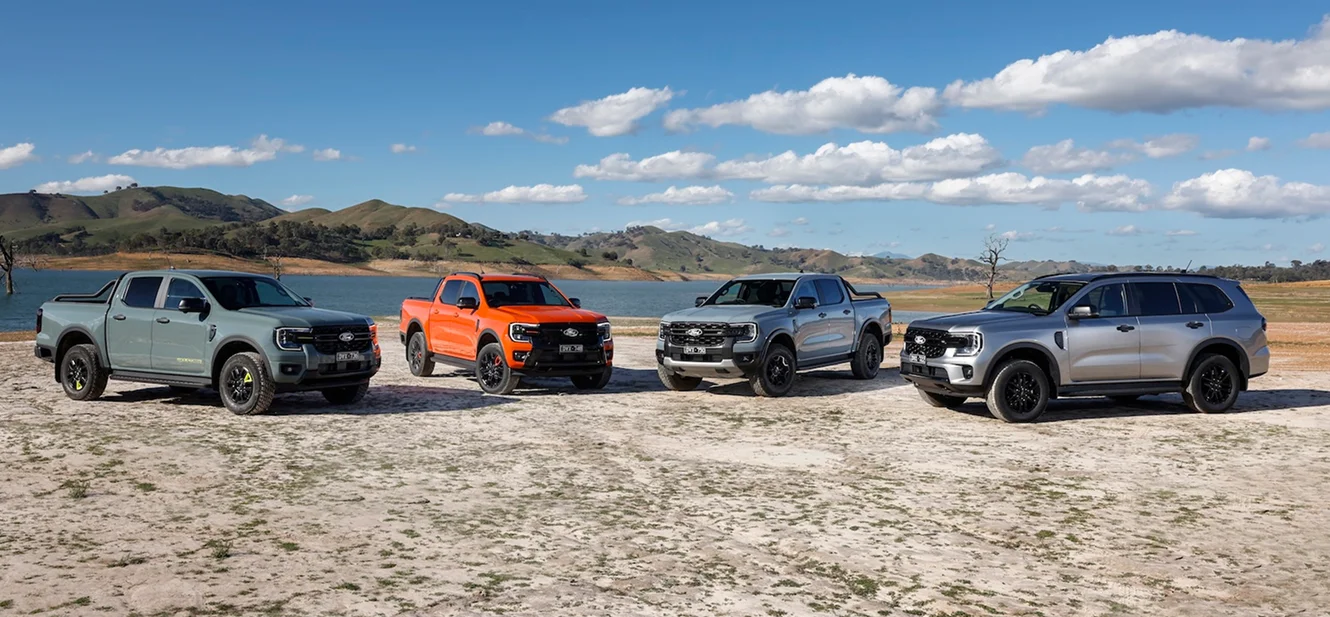
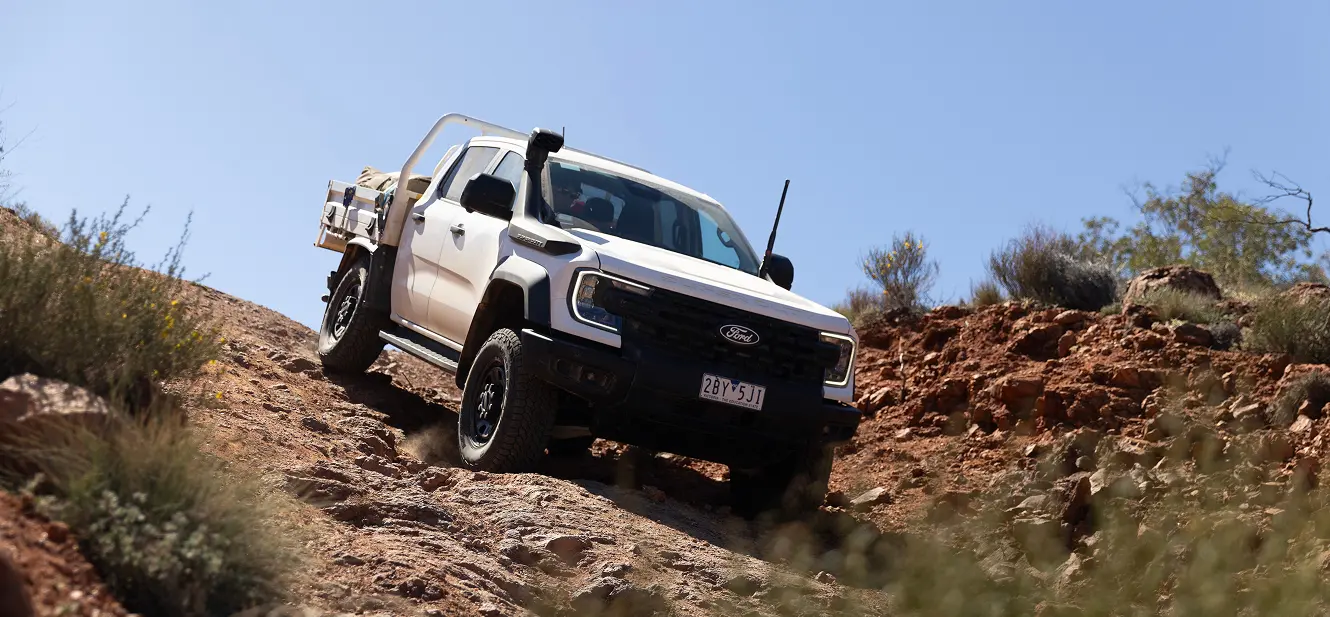
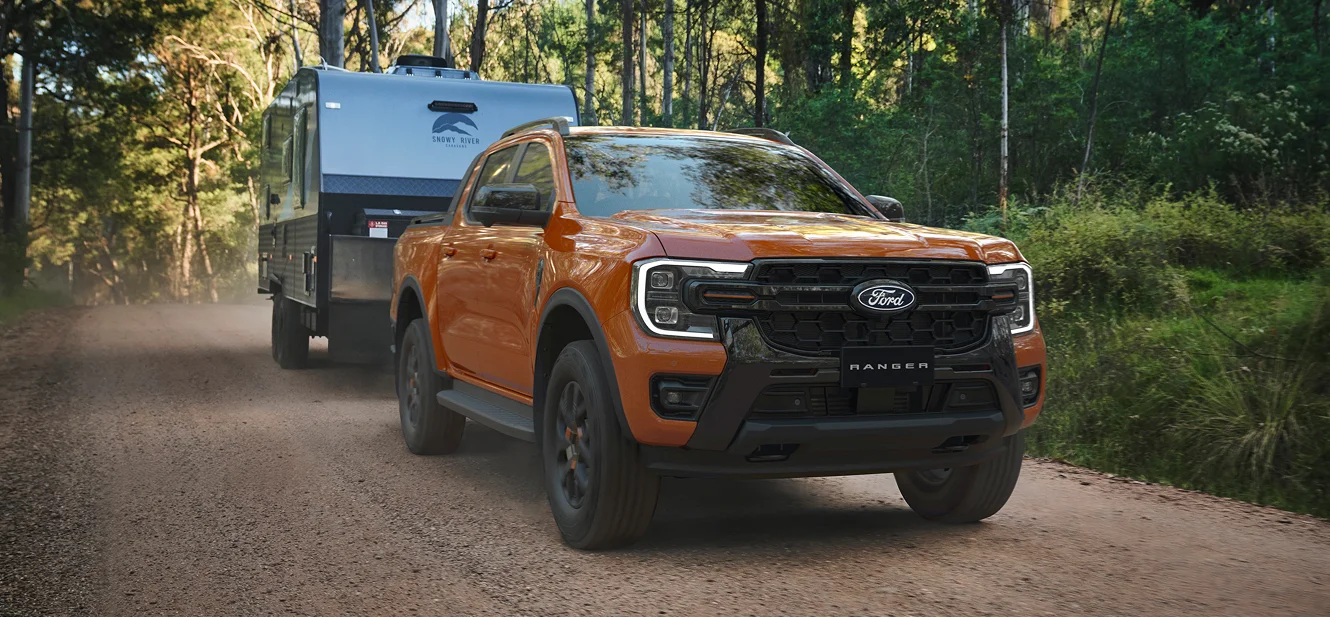
- Ford Ranger — Australia’s best-selling ute continues to lead the pack, now available with hybrid power. Read our Ranger PHEV review or see how it stacks up in our Ranger vs HiLux comparison.
Cheapest Isn’t Always Best Value
At the end of the day, the smartest car-buying decision isn’t always the one with the lowest number on the price tag. Warranty length, reliability history, resale value and brand longevity all play a part in what a vehicle actually costs you over time — and that’s where an established name like Ford has a genuine edge over newer entrants still building their Australian track record.
If you’re weighing up your options for 2026, the team at Frankston Ford is here to help. Come in and explore the range, ask us anything, and see for yourself why buying Ford means buying with confidence.
Ready to find your next car? Book a test drive or get in touch with our team today.